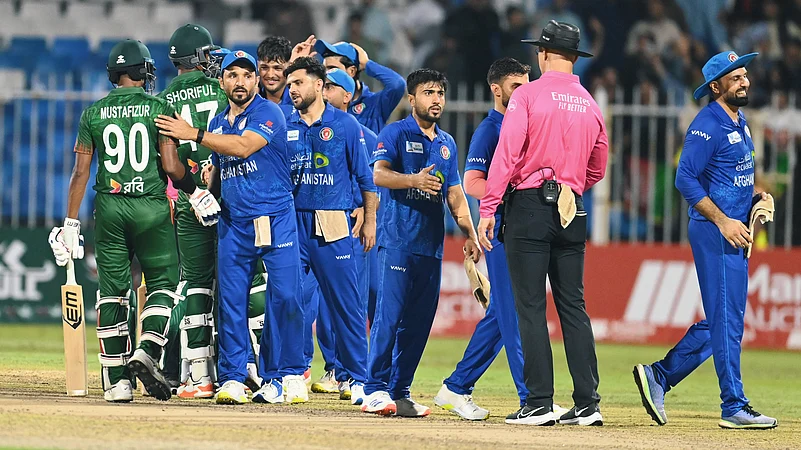
Cricket umpiring represents one of sport’s most challenging officiating roles requiring comprehensive rule knowledge, split-second decision-making, and psychological strength. Great umpires maintain match control while earning player respect through consistent, fair judgments.
Role and Responsibilities
Umpires control matches through law interpretation, player behavior management, and decision-making on dismissals and playing conditions. They ensure fair play while maintaining appropriate match pace. This multifaceted role demands constant concentration and authoritative presence.
Beyond dismissal decisions, umpires monitor over-rates, dangerous bowling, and pitch conditions. These responsibilities require ongoing vigilance and communication with players and match referees. Comprehensive match management distinguishes great umpires from merely competent officials.
Decision-Making Challenges
LBW decisions represent umpiring’s greatest challenge requiring instant assessment of multiple variables including ball trajectory, impact point, and stumps alignment. These complex judgments occur in milliseconds under intense scrutiny. Even experienced umpires find LBW decisions mentally exhausting.
Caught-behind appeals present difficulties when faint edges occur requiring exceptional hearing and observation. Umpires must distinguish genuine edges from bat-pad contacts and other incidental sounds. These subtle distinctions determine decisions affecting match outcomes significantly.
Technology Integration
Decision Review System transformed umpiring by providing technological assistance for contentious decisions. While reducing obvious errors, DRS creates new pressures through public scrutiny of initial judgments. Umpires must maintain confidence despite knowing decisions face potential reversal.
Some argue technology undermines umpire authority while others believe it enhances accuracy serving justice. This philosophical debate continues as cricket balances human umpiring tradition against technological precision. Finding optimal balance remains ongoing challenge.
Positioning and Movement
Proper positioning provides optimal viewing angles for different delivery types and dismissal possibilities. Umpires constantly adjust positions based on bowling types and field settings. This active positioning requires fitness and tactical awareness beyond static stance-keeping.
Square-leg umpires monitor front-foot no-balls, run-outs, and short-pitched bowling while supporting bowler’s-end colleagues. Effective teamwork between umpires ensures comprehensive match coverage. Communication and mutual support strengthen officiating quality.
Pressure Management
Elite umpires officiate under enormous pressure including television scrutiny, crowd reactions, and player appeals. Maintaining composure and confidence despite this pressure separates international-quality officials from lower-level umpires. Mental toughness becomes essential umpiring attribute.
Critical moments including potential match-deciding decisions test umpires’ psychological strength. Making correct high-pressure decisions requires blocking external pressures focusing purely on observed facts. This mental discipline develops through experience and deliberate practice.
Player Relationship Management
Respected umpires establish rapport with players through consistent decisions and professional demeanor. They communicate clearly explaining decisions while maintaining authority. This balance builds player trust while preventing dissent and confrontation.
However, umpires must avoid excessive friendliness undermining authoritative presence. Professional distance ensures impartiality while allowing necessary communication. Managing these relationships requires emotional intelligence and situational awareness.
Physical Demands
Umpiring requires sustained physical effort through long days standing in challenging conditions. Heat, humidity, and extended concentration create fatigue affecting decision quality. Elite umpires maintain fitness enabling consistent performance throughout long matches.
Quick reactions for run-outs and catches demand athletic ability particularly for older umpires. Maintaining physical conditioning ensures umpires position optimally and respond quickly. Fitness commitment demonstrates professionalism and respect for officiating role.
Continuous Learning
Laws regularly update requiring umpires maintaining current rule knowledge. Professional development through training seminars and performance reviews ensures standards improvement. This commitment to excellence separates elite officials from recreational umpires.
Reviewing decisions through video analysis identifies areas requiring improvement. Elite umpires embrace constructive criticism using feedback for development. This growth mindset characterizes top officials constantly refining craft.
Domestic to International Pathway
Umpiring careers progress through domestic cricket toward international appointments. Consistent performance and positive evaluations earn promotions onto ICC panels. This merit-based progression ensures cricket’s best umpires officiate highest-profile matches.
International umpires face additional pressures including foreign conditions, hostile crowds, and language barriers. Adapting to these challenges requires mental flexibility and cultural sensitivity. Success demands more than technical knowledge including interpersonal and psychological skills.
Controversial Decisions Impact
High-profile errors affect umpires psychologically despite professional resilience. Media criticism and social media abuse create hostile environments following mistakes. Supporting umpires through difficult periods maintains officiating quality and wellbeing.
Understanding inevitable human error provides perspective preventing excessive criticism. Even elite umpires make occasional mistakes without indicating incompetence. Maintaining this perspective creates healthier environments for officials developing confidence and consistency.
Conclusion
Cricket umpiring demands exceptional skill combinations including law knowledge, decision-making ability, and psychological strength. Great umpires maintain match control through consistent, fair judgments earning player and public respect. As cricket continues evolving, umpiring adapts balancing traditional authority with technological assistance ensuring fair, well-officiated matches that serve cricket’s integrity and entertainment value.


